
Nasal cavities: Mucosae
A nasal septum separates the nasal cavities. Most of the septum and the nasal cavities are lined by respiratory and its underlying lamina propria. However, the posterior-superior border of the septum and walls of the adjacent superior conchae are lined by a thick olfactory epithelium where detection of odorants occurs for the perception of smell. Both epithelia are classified as pseudostratified. 400x, 10x, 400x
Nasal septum >
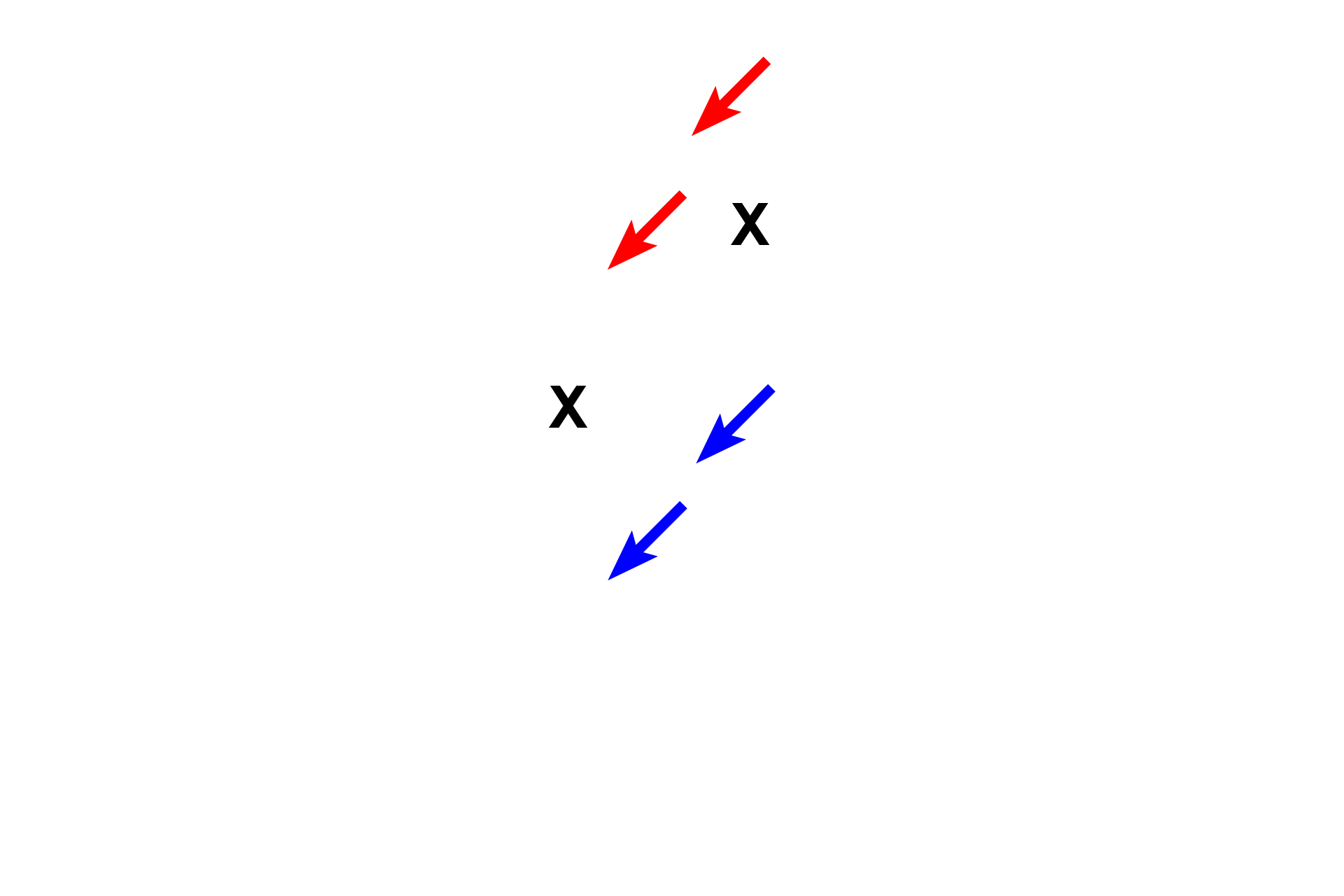
The nasal septum separates the two nasal cavities (X) and is supported by hyaline cartilage anteriorly (seen here) and bone posteriorly. It is lined by a respiratory mucosa on its lower surface (blue arrows); the upper regions are lined by an olfactory mucosa (red arrows). Note that the olfactory epithelium and underlying lamina propria are much thicker than the corresponding layers in the respiratory region.

Respiratory mucosa >
Respiratory mucosa consists of a pseudostratified respiratory epithelium with cilia and goblet cells. The underlying lamina propria contains numerous blood vessels that moderate the air temperature and muco-serous glands that moisten the surface. The mucosa, which lacks a smooth muscle layer and an elastic lamina, is supported either by cartilage or bone depending on the region.

- Respiratory epithelium
Respiratory mucosa consists of a pseudostratified respiratory epithelium with cilia and goblet cells. The underlying lamina propria contains numerous blood vessels that moderate the air temperature and muco-serous glands that moisten the surface. The mucosa, which lacks a smooth muscle layer and an elastic lamina, is supported either by cartilage or bone depending on the region.

- Lamina propria
Respiratory mucosa consists of a pseudostratified respiratory epithelium with cilia and goblet cells. The underlying lamina propria contains numerous blood vessels that moderate the air temperature and muco-serous glands that moisten the surface. The mucosa, which lacks a smooth muscle layer and an elastic lamina, is supported either by cartilage or bone depending on the region.

- Muco-serous gland
Respiratory mucosa consists of a pseudostratified respiratory epithelium with cilia and goblet cells. The underlying lamina propria contains numerous blood vessels that moderate the air temperature and muco-serous glands that moisten the surface. The mucosa, which lacks a smooth muscle layer and an elastic lamina, is supported either by cartilage or bone depending on the region.

Bone
Respiratory mucosa consists of a pseudostratified respiratory epithelium with cilia and goblet cells. The underlying lamina propria contains numerous blood vessels that moderate the air temperature and muco-serous glands that moisten the surface. The mucosa, which lacks a smooth muscle layer and an elastic lamina, is supported either by cartilage or bone depending on the region.
Olfactory mucosa >
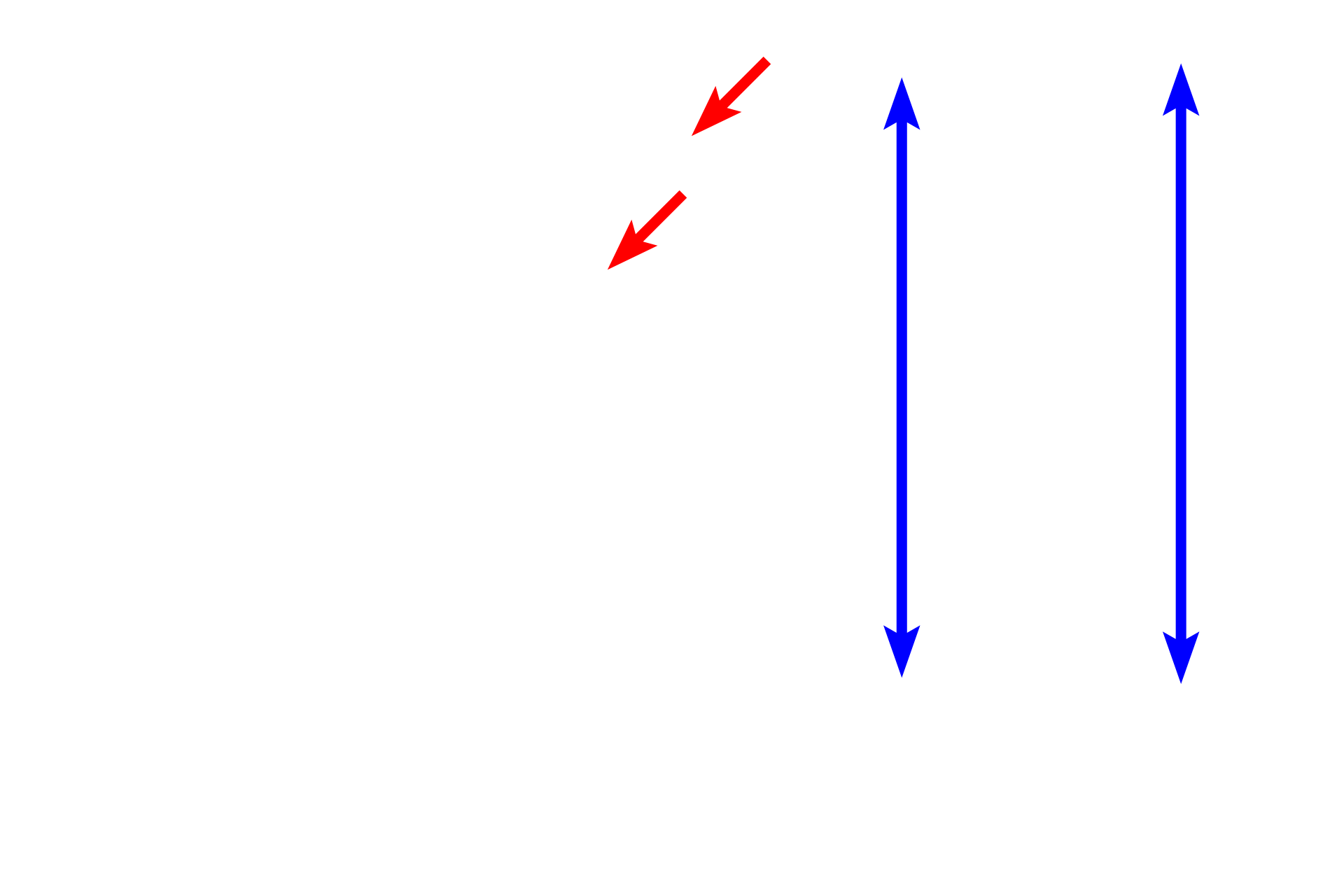
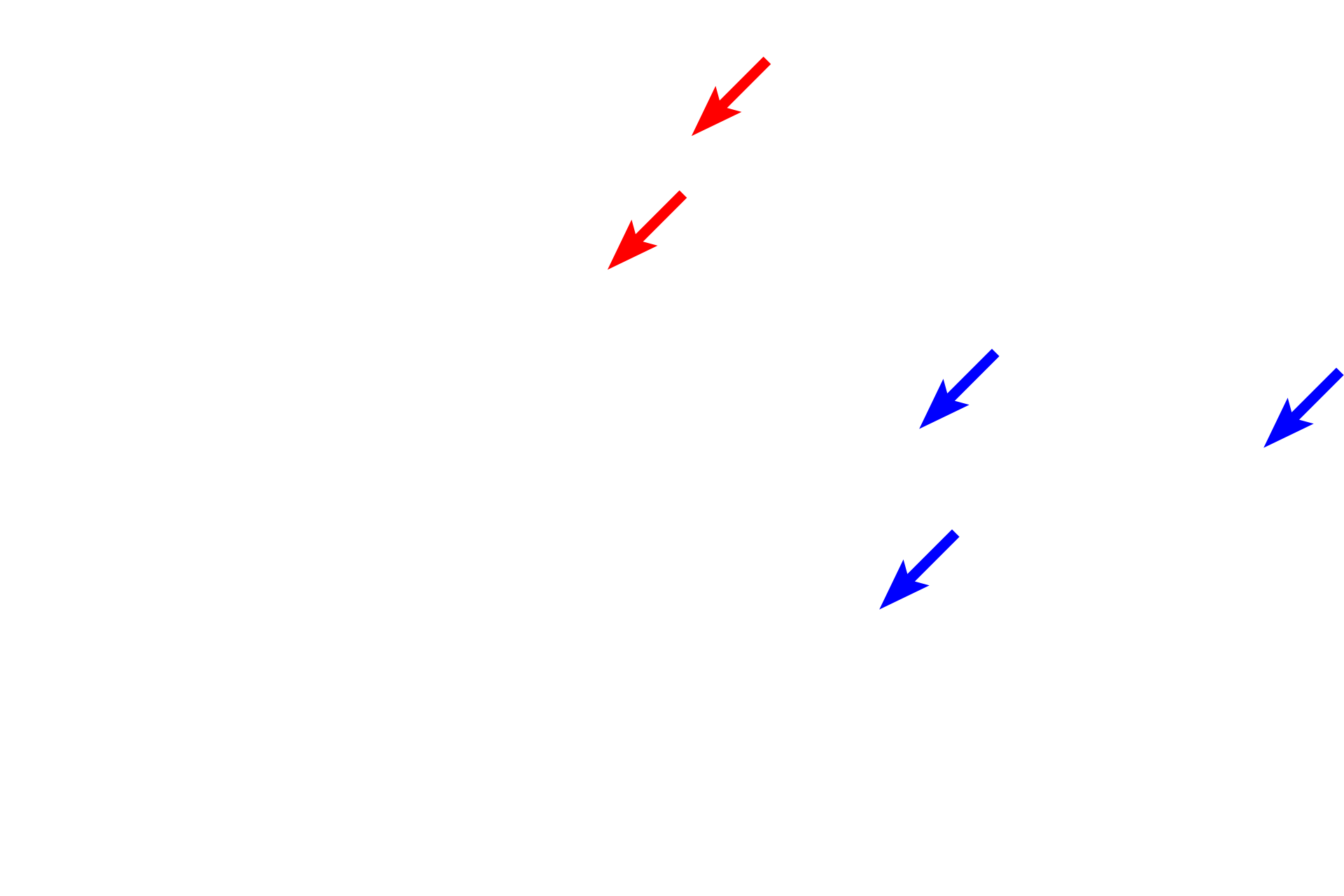
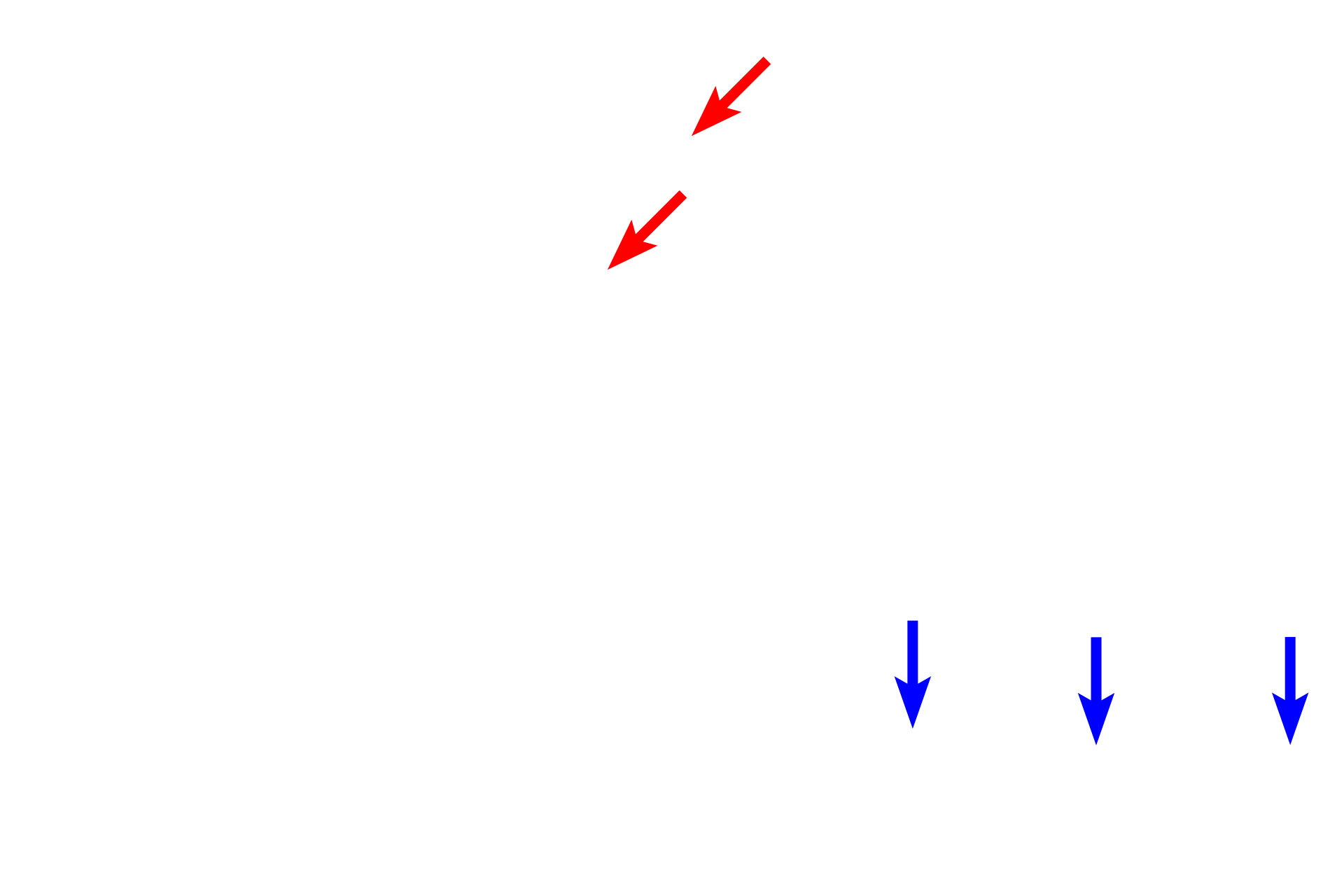
Olfactory mucosa lines the upper portions of the nasal cavity. Both the epithelium and lamina propria are much thicker than in respiratory mucosa. The epithelium consists of the highly specialized pseudostratified olfactory epithelium with olfactory neurons for detecting odorants. The underlying lamina propria contains purely serous glands, called Bowman’s glands or olfactory glands, along with blood vessels and nerves. Like respiratory mucosa, olfactory mucosa lacks a smooth muscle layer and an elastic lamina; it is mostly supported by bone.

- Olfactory epithelium
Olfactory mucosa lines the upper portions of the nasal cavity. Both the epithelium and lamina propria are much thicker than in respiratory mucosa. The epithelium consists of the highly specialized pseudostratified olfactory epithelium with olfactory neurons for detecting odorants. The underlying lamina propria contains purely serous glands, called Bowman’s glands or olfactory glands, along with blood vessels and nerves. Like respiratory mucosa, olfactory mucosa lacks a smooth muscle layer and an elastic lamina; it is mostly supported by bone.

- Lamina propria
Olfactory mucosa lines the upper portions of the nasal cavity. Both the epithelium and lamina propria are much thicker than in respiratory mucosa. The epithelium consists of the highly specialized pseudostratified olfactory epithelium with olfactory neurons for detecting odorants. The underlying lamina propria contains purely serous glands, called Bowman’s glands or olfactory glands, along with blood vessels and nerves. Like respiratory mucosa, olfactory mucosa lacks a smooth muscle layer and an elastic lamina; it is mostly supported by bone.
- Bowman’s glands
Olfactory mucosa lines the upper portions of the nasal cavity. Both the epithelium and lamina propria are much thicker than in respiratory mucosa. The epithelium consists of the highly specialized pseudostratified olfactory epithelium with olfactory neurons for detecting odorants. The underlying lamina propria contains purely serous glands, called Bowman’s glands or olfactory glands, along with blood vessels and nerves. Like respiratory mucosa, olfactory mucosa lacks a smooth muscle layer and an elastic lamina; it is mostly supported by bone.

- Nerve
Olfactory mucosa lines the upper portions of the nasal cavity. Both the epithelium and lamina propria are much thicker than in respiratory mucosa. The epithelium consists of the highly specialized pseudostratified olfactory epithelium with olfactory neurons for detecting odorants. The underlying lamina propria contains purely serous glands, called Bowman’s glands or olfactory glands, along with blood vessels and nerves. Like respiratory mucosa, olfactory mucosa lacks a smooth muscle layer and an elastic lamina; it is mostly supported by bone.

- Blood vessels
Olfactory mucosa lines the upper portions of the nasal cavity. Both the epithelium and lamina propria are much thicker than in respiratory mucosa. The epithelium consists of the highly specialized pseudostratified olfactory epithelium with olfactory neurons for detecting odorants. The underlying lamina propria contains purely serous glands, called Bowman’s glands or olfactory glands, along with blood vessels and nerves. Like respiratory mucosa, olfactory mucosa lacks a smooth muscle layer and an elastic lamina; it is mostly supported by bone.
Bone
Olfactory mucosa lines the upper portions of the nasal cavity. Both the epithelium and lamina propria are much thicker than in respiratory mucosa. The epithelium consists of the highly specialized pseudostratified olfactory epithelium with olfactory neurons for detecting odorants. The underlying lamina propria contains purely serous glands, called Bowman’s glands or olfactory glands, along with blood vessels and nerves. Like respiratory mucosa, olfactory mucosa lacks a smooth muscle layer and an elastic lamina; it is mostly supported by bone.
Image source >
The left and right images were taken of a slide in the University of Colorado collection.
 PREVIOUS