
Glycogen
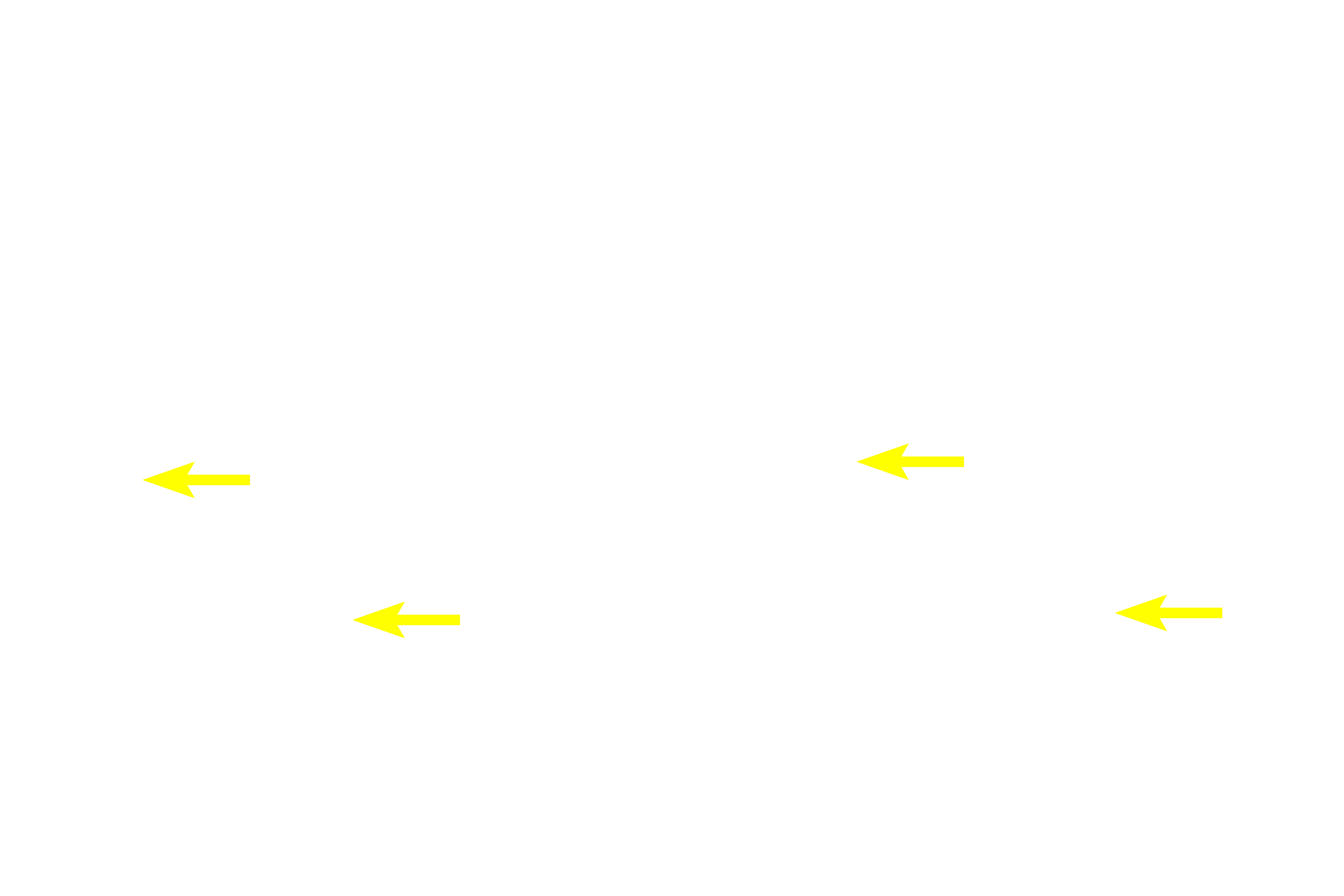
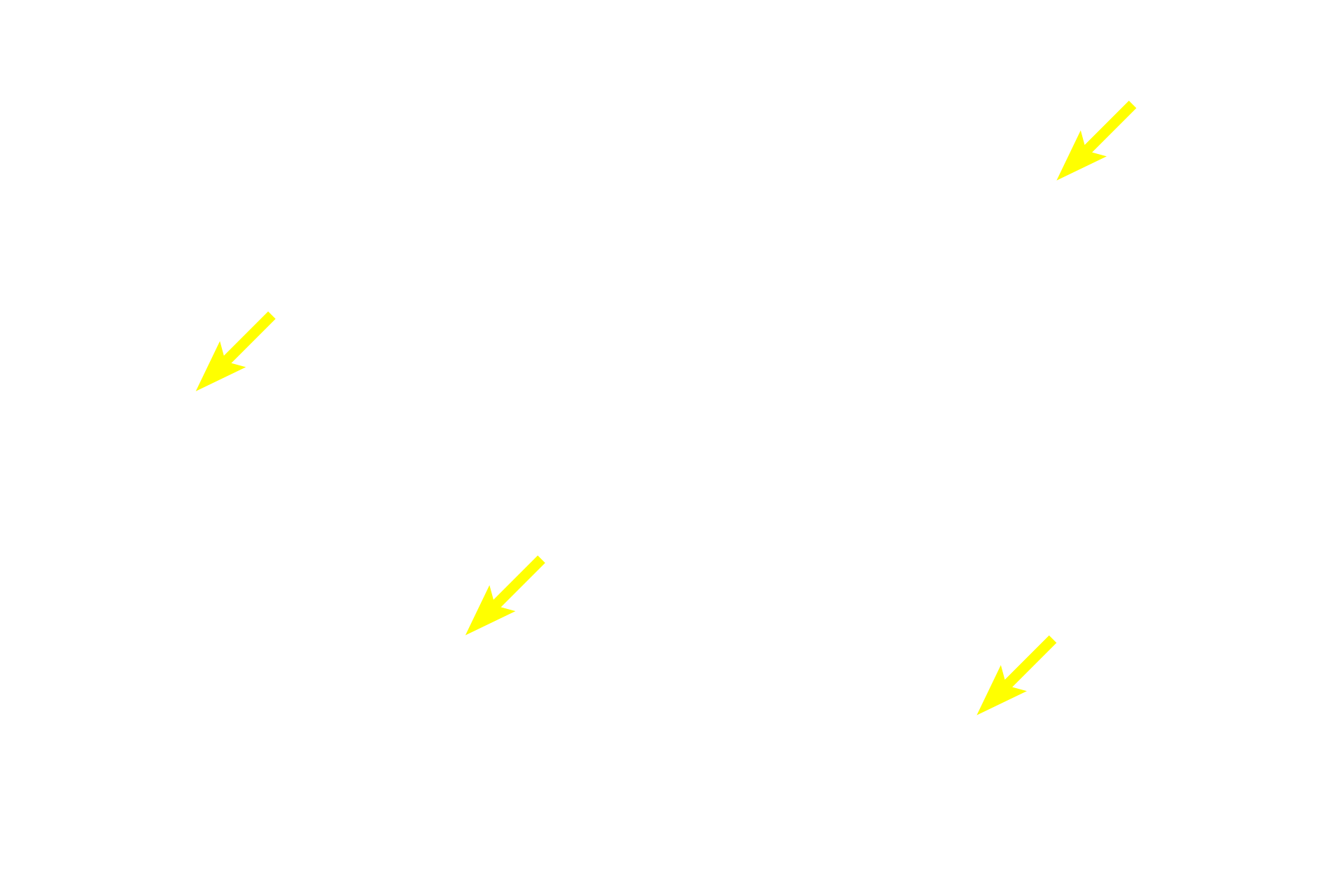
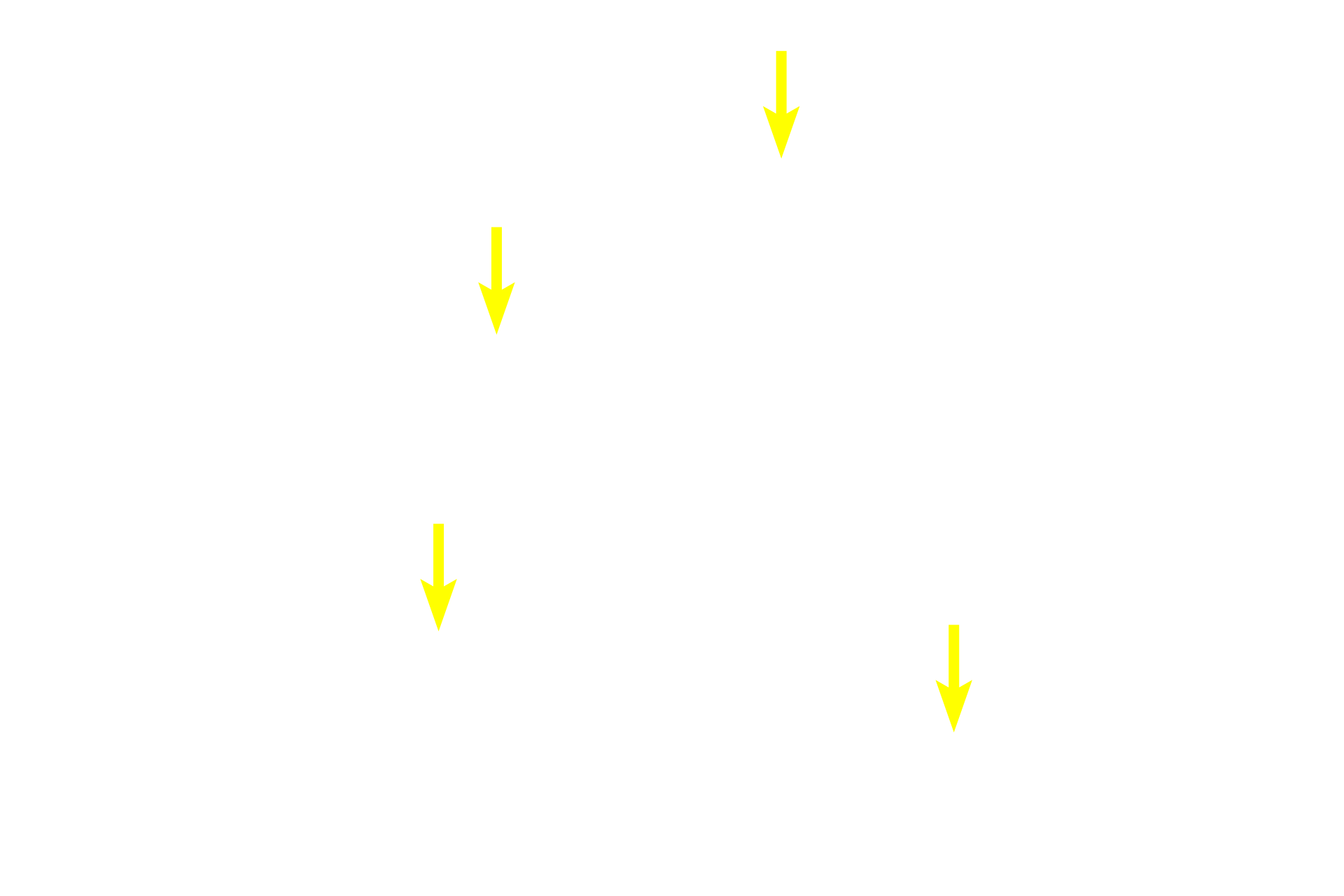
Glycogen can be specifically labeled in histological sections using the periodic acid-Schiff (PAS) histochemical method, which reacts with carbohydrates producing a magenta color. Here, this stain shows accumulations of glycogen granules in the cytoplasm of liver cells (hepatocytes). Individual granules cannot be resolved with the light microscope. Liver, 1000x
Glycogen
Glycogen can be specifically labeled in histological sections using the periodic acid-Schiff (PAS) histochemical method, which reacts with carbohydrates producing a magenta color. Here, this stain shows accumulations of glycogen granules in the cytoplasm of liver cells (hepatocytes). Individual granules cannot be resolved with the light microscope. Liver, 1000x
Nuclei
Glycogen can be specifically labeled in histological sections using the periodic acid-Schiff (PAS) histochemical method, which reacts with carbohydrates producing a magenta color. Here, this stain shows accumulations of glycogen granules in the cytoplasm of liver cells (hepatocytes). Individual granules cannot be resolved with the light microscope. Liver, 1000x
- Nucleoli
Glycogen can be specifically labeled in histological sections using the periodic acid-Schiff (PAS) histochemical method, which reacts with carbohydrates producing a magenta color. Here, this stain shows accumulations of glycogen granules in the cytoplasm of liver cells (hepatocytes). Individual granules cannot be resolved with the light microscope. Liver, 1000x
 PREVIOUS