
Intrapulmonary passages
Intrapulmonary passageways are subdivided into those that conduct air to the respiratory portion (conducting portion) and those involved with gas exchange (respiratory portion). Passageways included in the conducting portion are secondary bronchi and bronchioles. Components of the respiratory portion are respiratory bronchioles, alveolar ducts, alveolar sacs and alveoli.
Conducting portion >
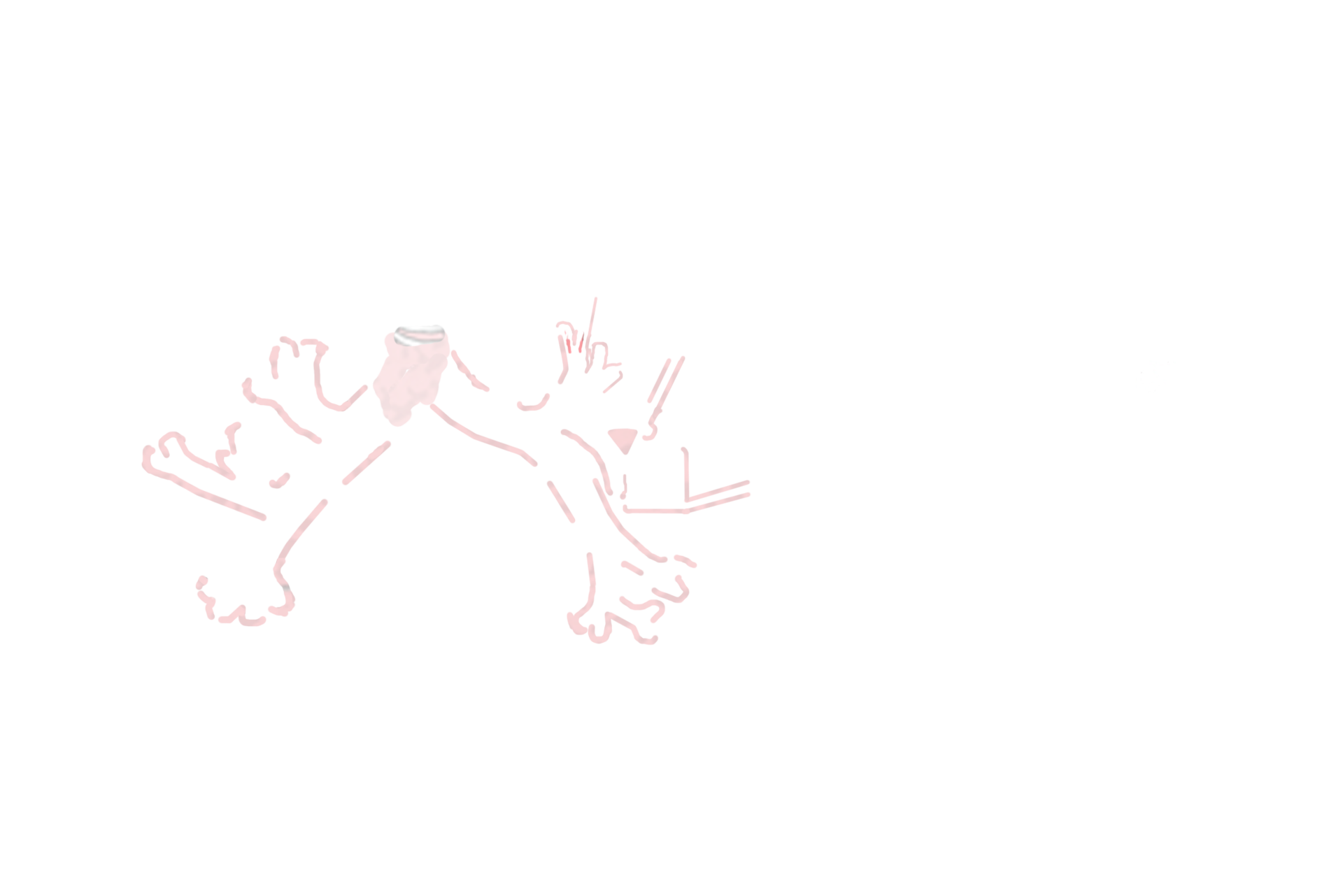
These passageways include the continuation of main bronchi as they pass into the lung and their branches: secondary (lobar) bronchi and tertiary (segmental) bronchi. All bronchi are distinguished by the presence of cartilage in their wall. The amount of cartilage gradually diminishes until it finally disappears, at which point the passageways are designated as bronchioles.

- Primary (main) bronchi
These passageways include the continuation of main bronchi as they pass into the lung and their branches: secondary (lobar) bronchi and tertiary (segmental) bronchi. All bronchi are distinguished by the presence of cartilage in their wall. The amount of cartilage gradually diminishes until it finally disappears, at which point the passageways are designated as bronchioles.
- Secondary bronchi
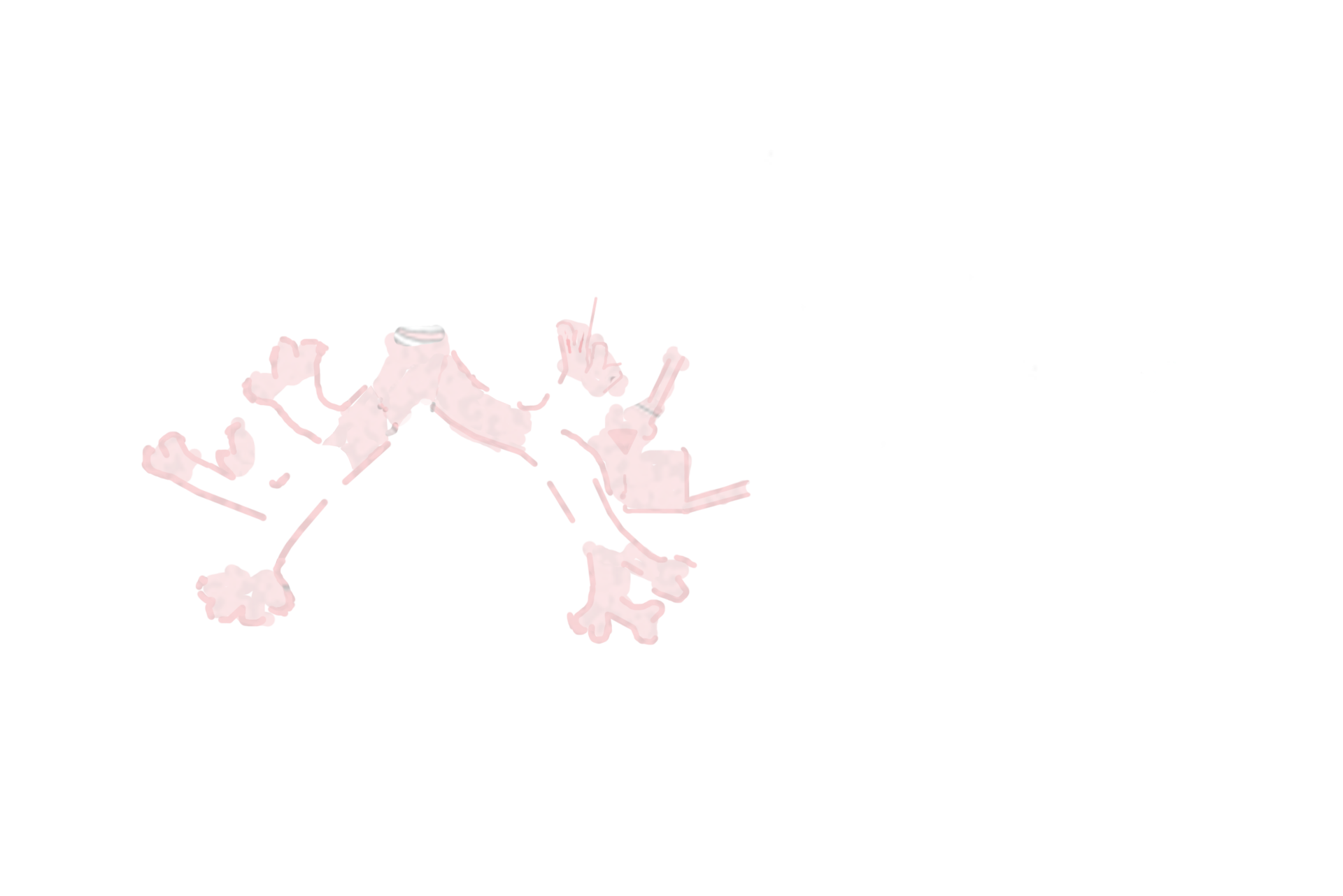
These passageways include the continuation of main bronchi as they pass into the lung and their branches: secondary (lobar) bronchi and tertiary (segmental) bronchi. All bronchi are distinguished by the presence of cartilage in their wall. The amount of cartilage gradually diminishes until it finally disappears, at which point the passageways are designated as bronchioles.
- Bronchioles
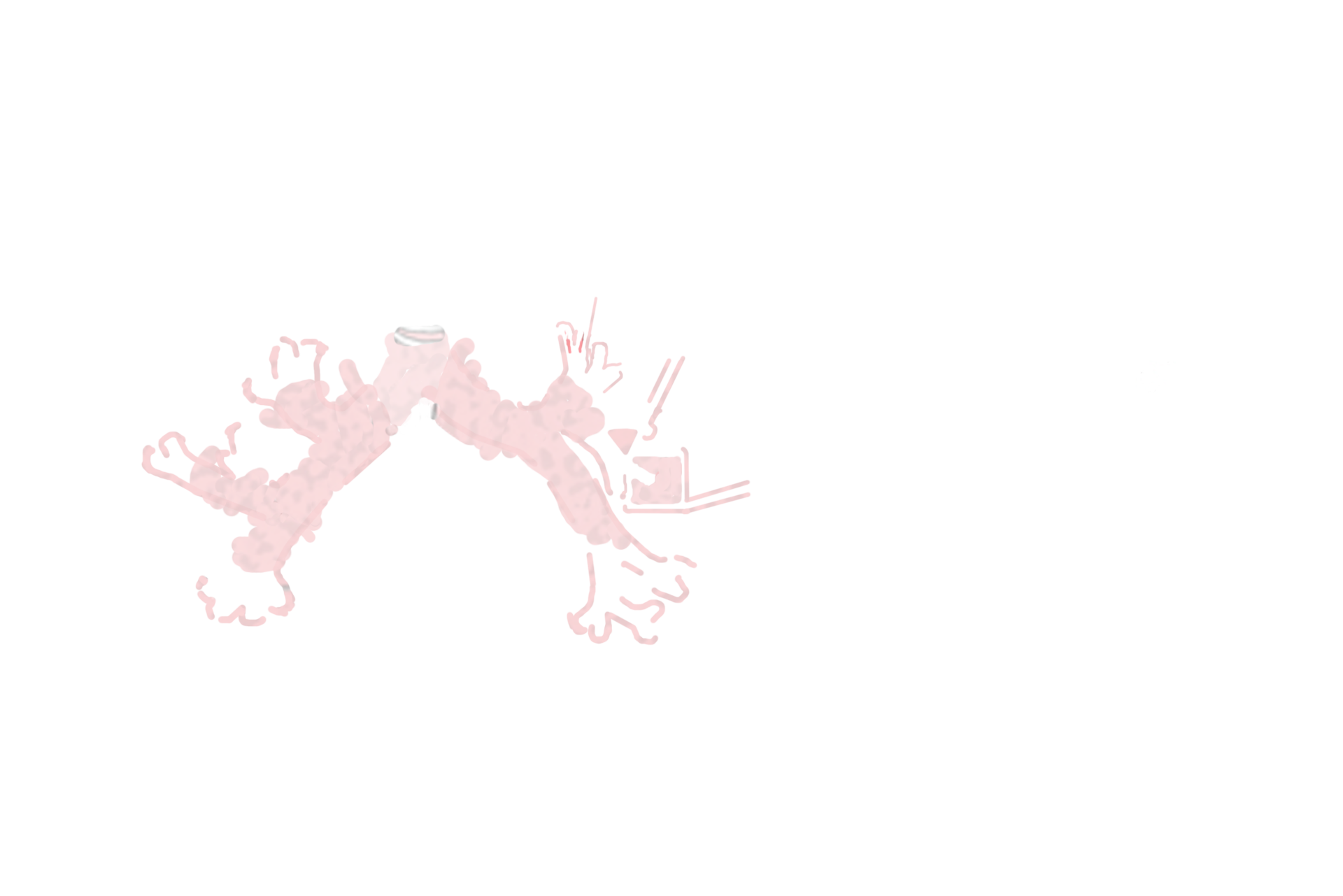
These passageways include the continuation of main bronchi as they pass into the lung and their branches: secondary (lobar) bronchi and tertiary (segmental) bronchi. All bronchi are distinguished by the presence of cartilage in their wall. The amount of cartilage gradually diminishes until it finally disappears, at which point the passageways are designated as bronchioles.

Respiratory portion >
The distinguishing feature of respiratory passageways is the presence of alveoli in their walls. Alveoli first appear scattered along the length of respiratory bronchioles, which are transitional structures between purely conducting bronchioles and alveolar ducts. The walls of alveolar ducts are formed entirely by alveoli and end as alveolar sacs. Alveoli are sites where gas exchange occurs.
- Respiratory bronchioles
The distinguishing feature of respiratory passageways is the presence of alveoli in their walls. Alveoli first appear scattered along the length of respiratory bronchioles, which are transitional structures between purely conducting bronchioles and alveolar ducts. The walls of alveolar ducts are formed entirely by alveoli and end as alveolar sacs. Alveoli are sites where gas exchange occurs.
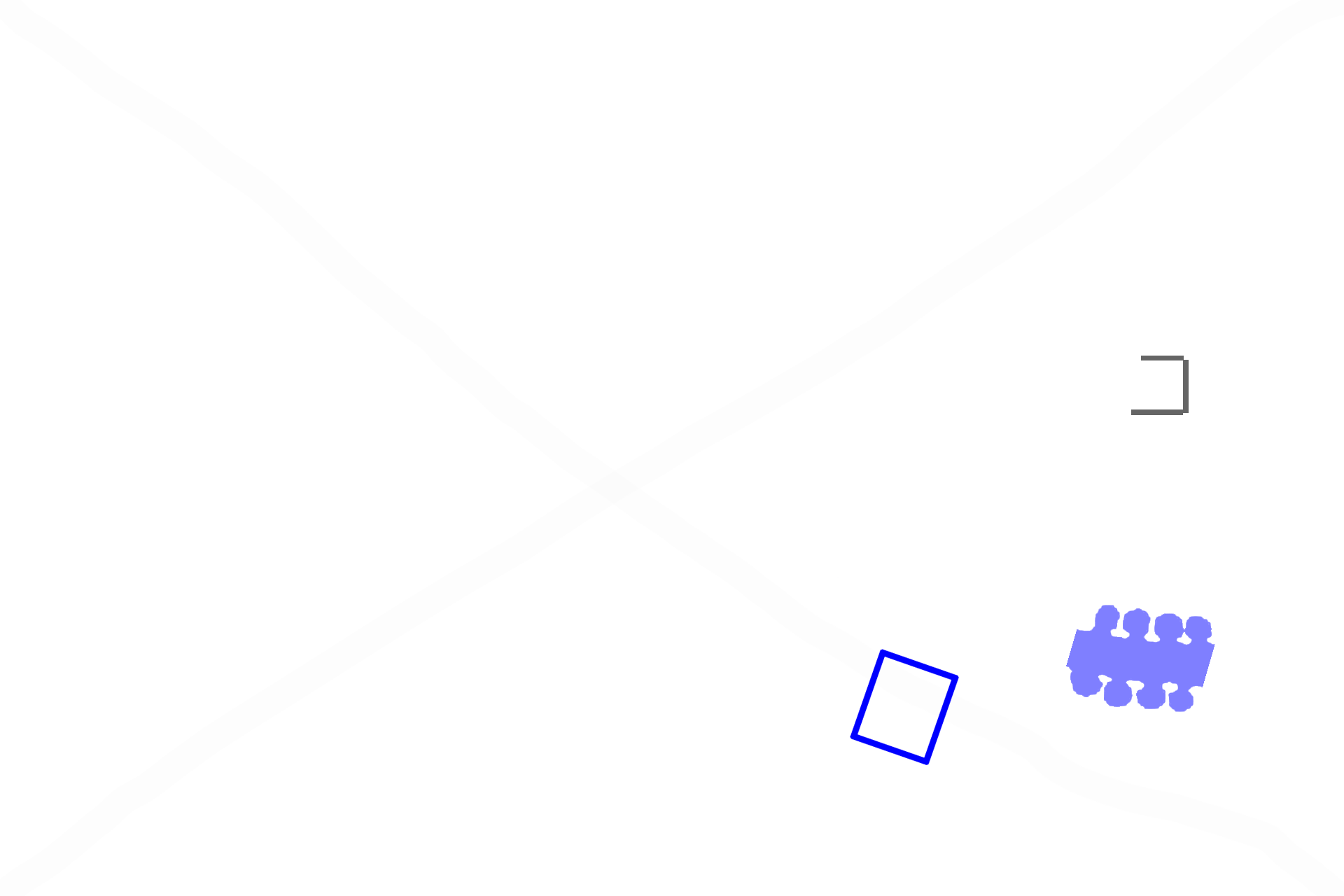
- Alveolar duct
The distinguishing feature of respiratory passageways is the presence of alveoli in their walls. Alveoli first appear scattered along the length of respiratory bronchioles, which are transitional structures between purely conducting bronchioles and alveolar ducts. The walls of alveolar ducts are formed entirely by alveoli and end as alveolar sacs. Alveoli are sites where gas exchange occurs.
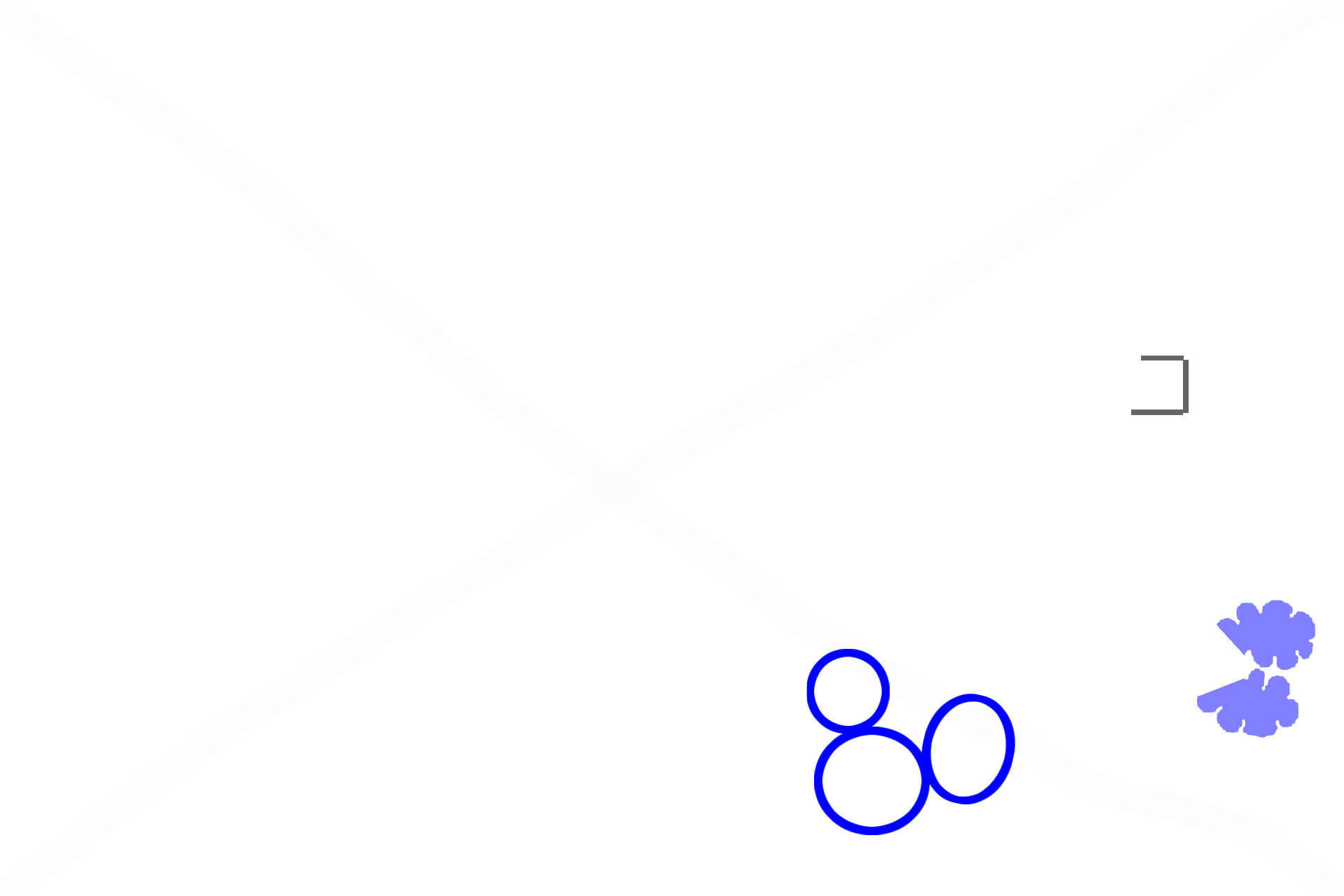
- Alverolar sac
The distinguishing feature of respiratory passageways is the presence of alveoli in their walls. Alveoli first appear scattered along the length of respiratory bronchioles, which are transitional structures between purely conducting bronchioles and alveolar ducts. The walls of alveolar ducts are formed entirely by alveoli and end as alveolar sacs. Alveoli are sites where gas exchange occurs.
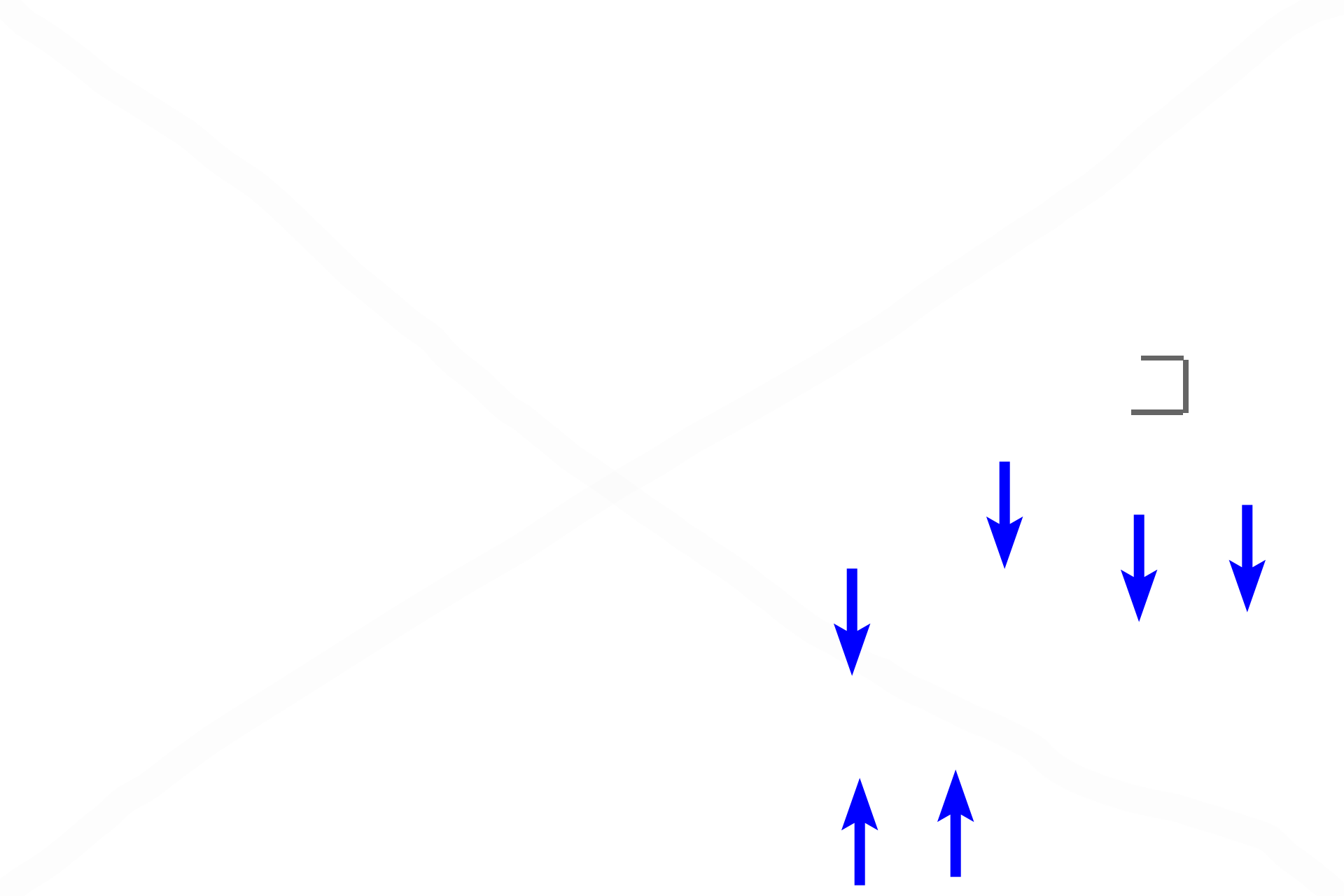
- Alveoli
The distinguishing feature of respiratory passageways is the presence of alveoli in their walls. Alveoli first appear scattered along the length of respiratory bronchioles, which are transitional structures between purely conducting bronchioles and alveolar ducts. The walls of alveolar ducts are formed entirely by alveoli and end as alveolar sacs. Alveoli are sites where gas exchange occurs.