
Transition from bronchiole to respiratory bronchiole to alveolar duct
Transitions from bronchiole to terminal bronchiole to alveolar duct are shown in this thin section of primate lung. The bronchiole segment, lined by a ciliated, pseudostratified, columnar epithelium with goblet cells, transitions to the simple cuboidal epithelium of the short terminal bronchiole. Thereafter, the epithelium becomes interrupted by the presence of alveoli, indicating the start of the respiratory bronchiole. Alveolar ducts consists almost entirely of alveoli, the wall being reduced to knob-like interalveolar septa. Toluidine blue, 300x

Bronchiole >
This passageway includes portions of a bronchiole and a terminal bronchiole.

- Bronchiole epithelium
This passageway includes portions of a bronchiole and a terminal bronchiole.

- Terminal bronchiole epithelium
This passageway includes portions of a bronchiole and a terminal bronchiole.

Respiratory bronchiole
Transitions from bronchiole to terminal bronchiole to alveolar duct are shown in this thin section of primate lung. The bronchiole segment, lined by a ciliated, pseudostratified, columnar epithelium with goblet cells, transitions to the simple cuboidal epithelium of the short terminal bronchiole. Thereafter, the epithelium becomes interrupted by the presence of alveoli, indicating the start of the respiratory bronchiole. Alveolar ducts consists almost entirely of alveoli, the wall being reduced to knob-like interalveolar septa. Toluidine blue, 300x
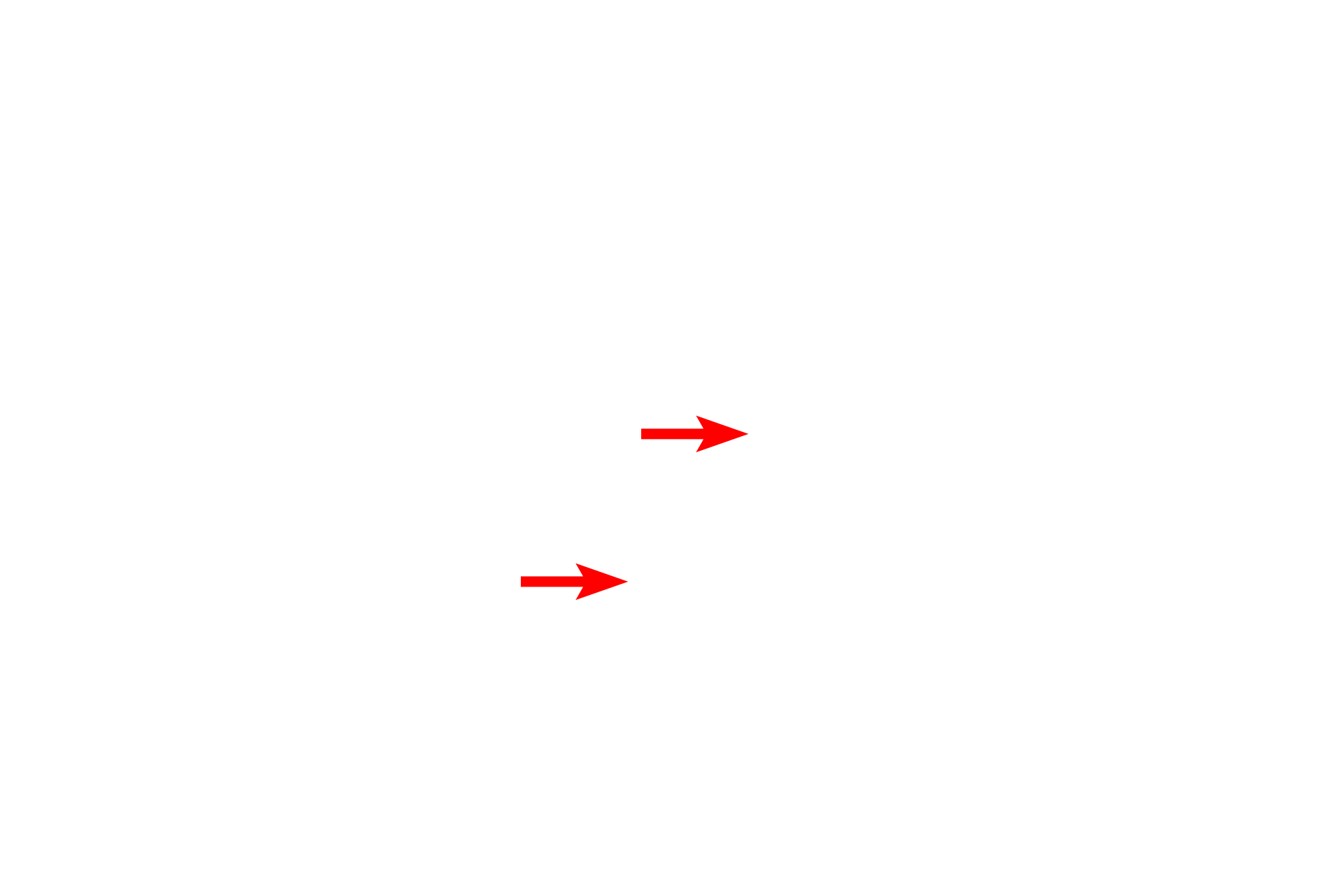
- Epithelium
Transitions from bronchiole to terminal bronchiole to alveolar duct are shown in this thin section of primate lung. The bronchiole segment, lined by a ciliated, pseudostratified, columnar epithelium with goblet cells, transitions to the simple cuboidal epithelium of the short terminal bronchiole. Thereafter, the epithelium becomes interrupted by the presence of alveoli, indicating the start of the respiratory bronchiole. Alveolar ducts consists almost entirely of alveoli, the wall being reduced to knob-like interalveolar septa. Toluidine blue, 300x
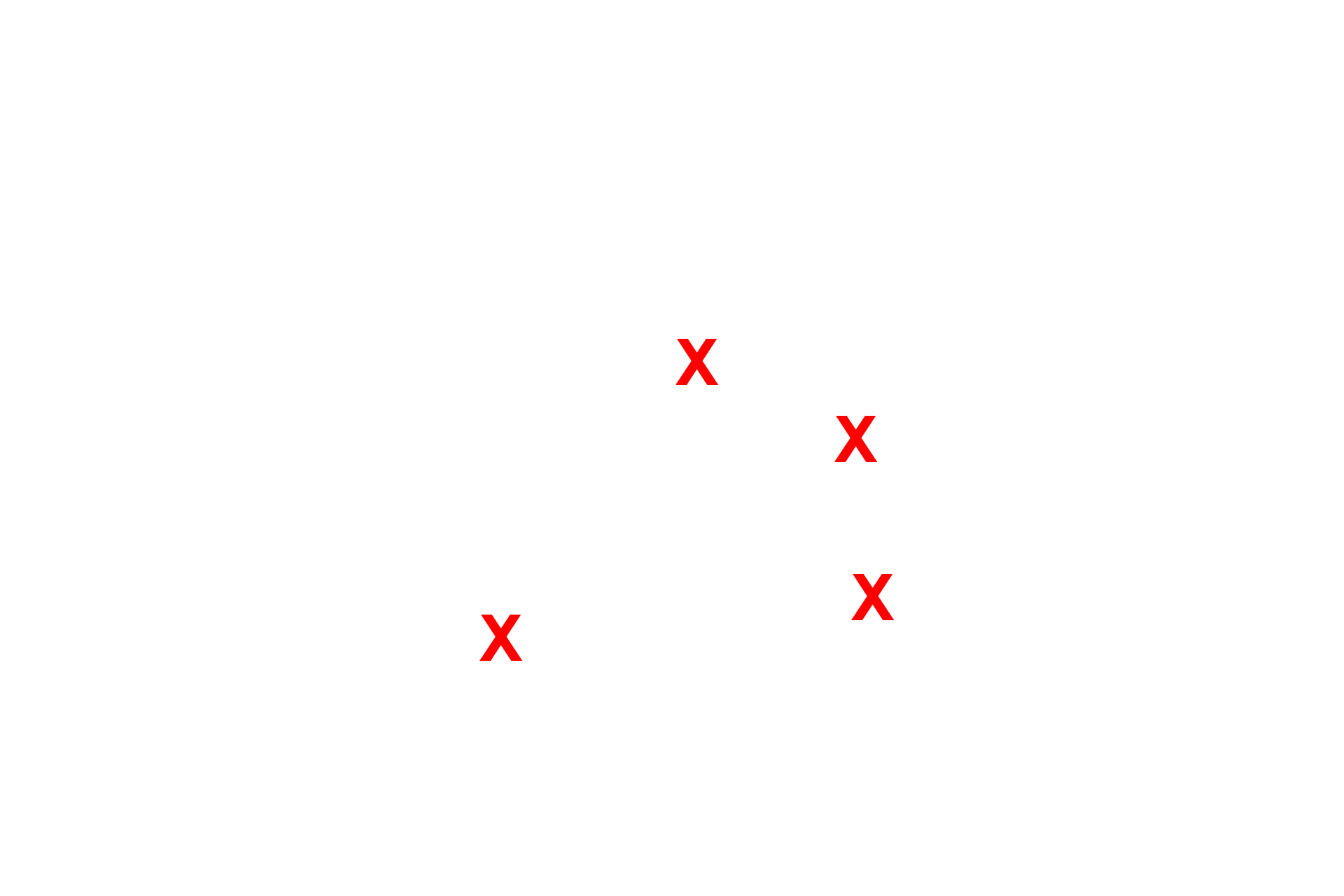
- Alveoli
Transitions from bronchiole to terminal bronchiole to alveolar duct are shown in this thin section of primate lung. The bronchiole segment, lined by a ciliated, pseudostratified, columnar epithelium with goblet cells, transitions to the simple cuboidal epithelium of the short terminal bronchiole. Thereafter, the epithelium becomes interrupted by the presence of alveoli, indicating the start of the respiratory bronchiole. Alveolar ducts consists almost entirely of alveoli, the wall being reduced to knob-like interalveolar septa. Toluidine blue, 300x

Alveolar duct
Transitions from bronchiole to terminal bronchiole to alveolar duct are shown in this thin section of primate lung. The bronchiole segment, lined by a ciliated, pseudostratified, columnar epithelium with goblet cells, transitions to the simple cuboidal epithelium of the short terminal bronchiole. Thereafter, the epithelium becomes interrupted by the presence of alveoli, indicating the start of the respiratory bronchiole. Alveolar ducts consists almost entirely of alveoli, the wall being reduced to knob-like interalveolar septa. Toluidine blue, 300x
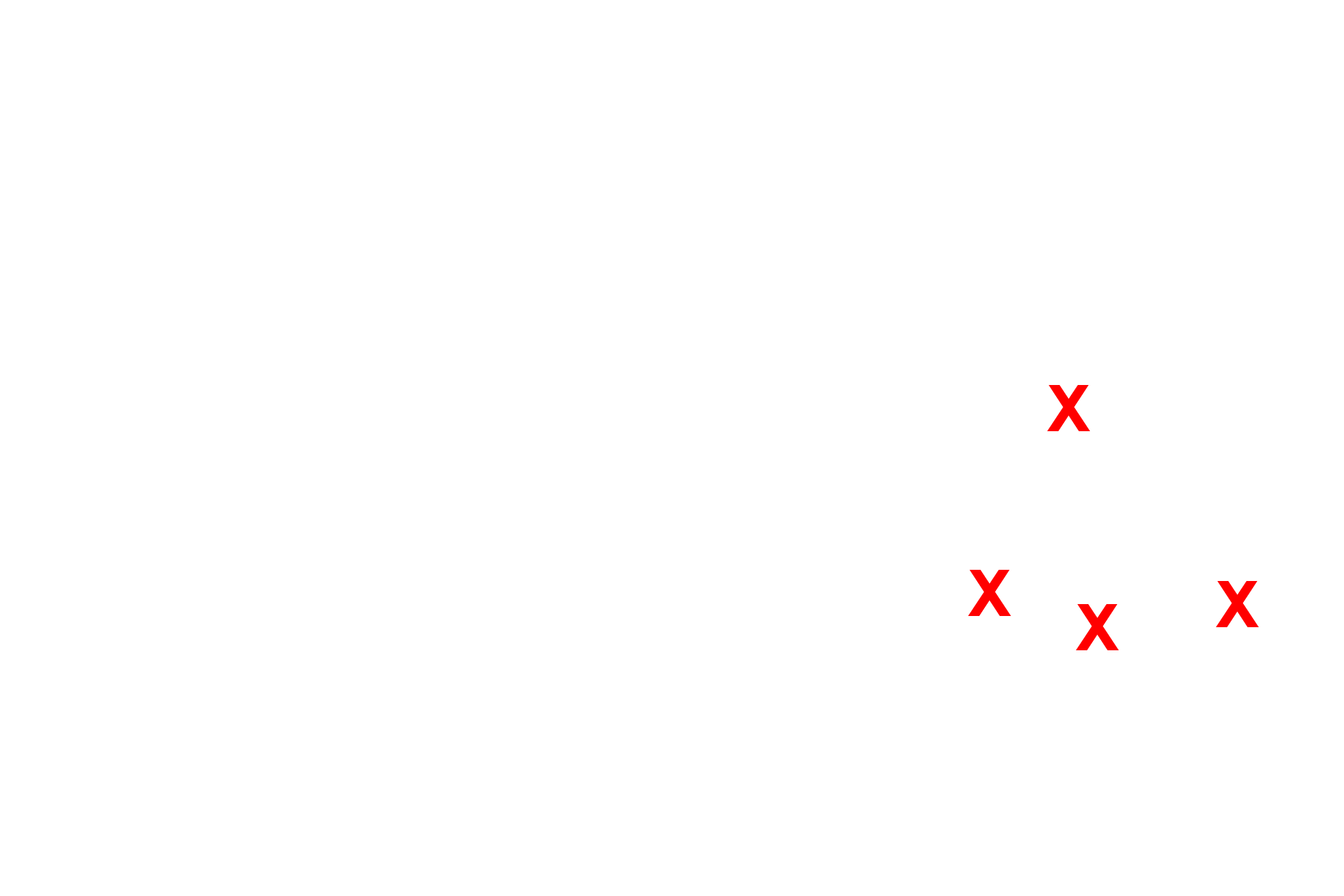
- Alveoli
Transitions from bronchiole to terminal bronchiole to alveolar duct are shown in this thin section of primate lung. The bronchiole segment, lined by a ciliated, pseudostratified, columnar epithelium with goblet cells, transitions to the simple cuboidal epithelium of the short terminal bronchiole. Thereafter, the epithelium becomes interrupted by the presence of alveoli, indicating the start of the respiratory bronchiole. Alveolar ducts consists almost entirely of alveoli, the wall being reduced to knob-like interalveolar septa. Toluidine blue, 300x
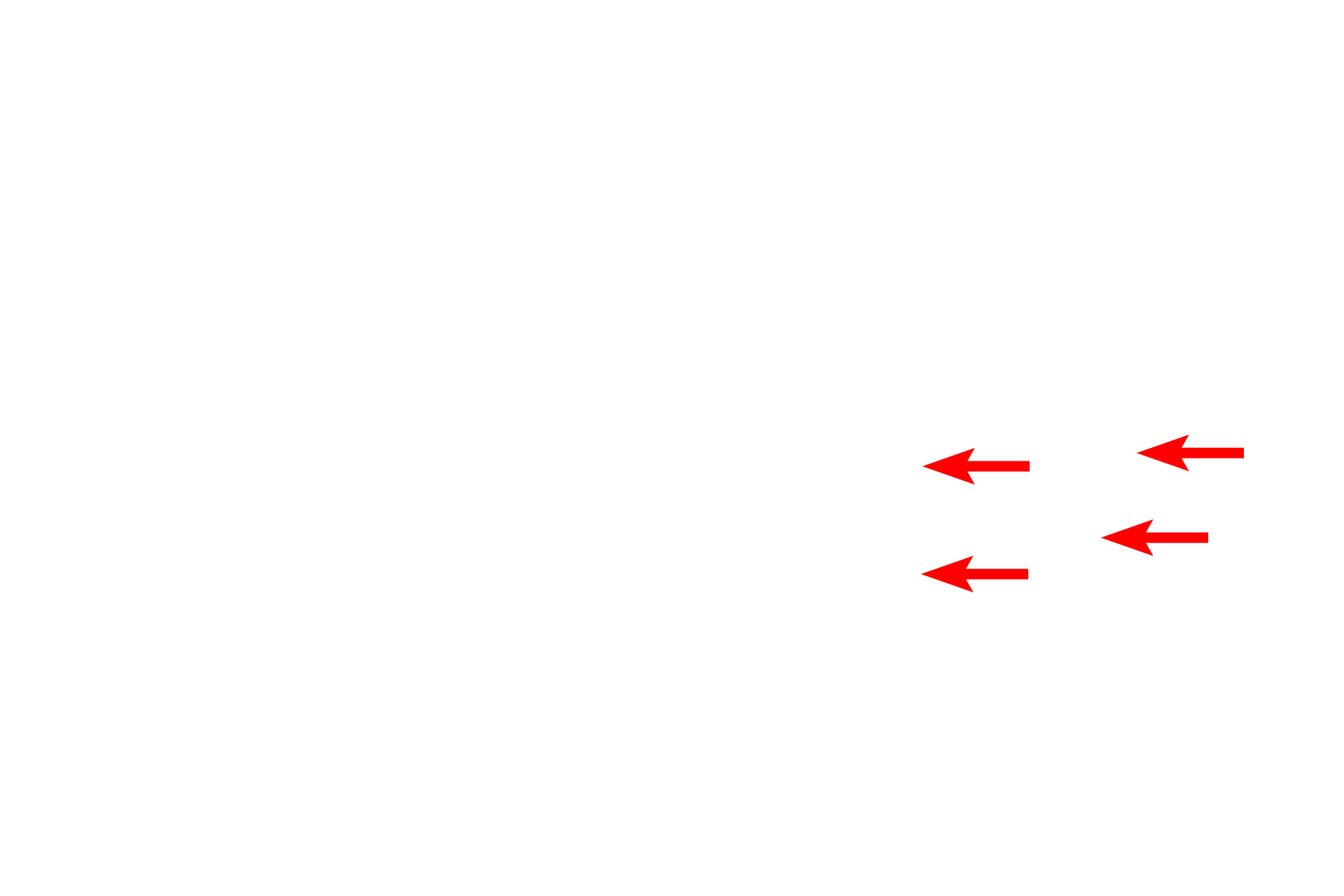
- Knobs
Transitions from bronchiole to terminal bronchiole to alveolar duct are shown in this thin section of primate lung. The bronchiole segment, lined by a ciliated, pseudostratified, columnar epithelium with goblet cells, transitions to the simple cuboidal epithelium of the short terminal bronchiole. Thereafter, the epithelium becomes interrupted by the presence of alveoli, indicating the start of the respiratory bronchiole. Alveolar ducts consists almost entirely of alveoli, the wall being reduced to knob-like interalveolar septa. Toluidine blue, 300x

Pulmonary vessel
Transitions from bronchiole to terminal bronchiole to alveolar duct are shown in this thin section of primate lung. The bronchiole segment, lined by a ciliated, pseudostratified, columnar epithelium with goblet cells, transitions to the simple cuboidal epithelium of the short terminal bronchiole. Thereafter, the epithelium becomes interrupted by the presence of alveoli, indicating the start of the respiratory bronchiole. Alveolar ducts consists almost entirely of alveoli, the wall being reduced to knob-like interalveolar septa. Toluidine blue, 300x
Image source >
This image was taken of a slide in the Duke University collection.
 PREVIOUS